27 July 2026
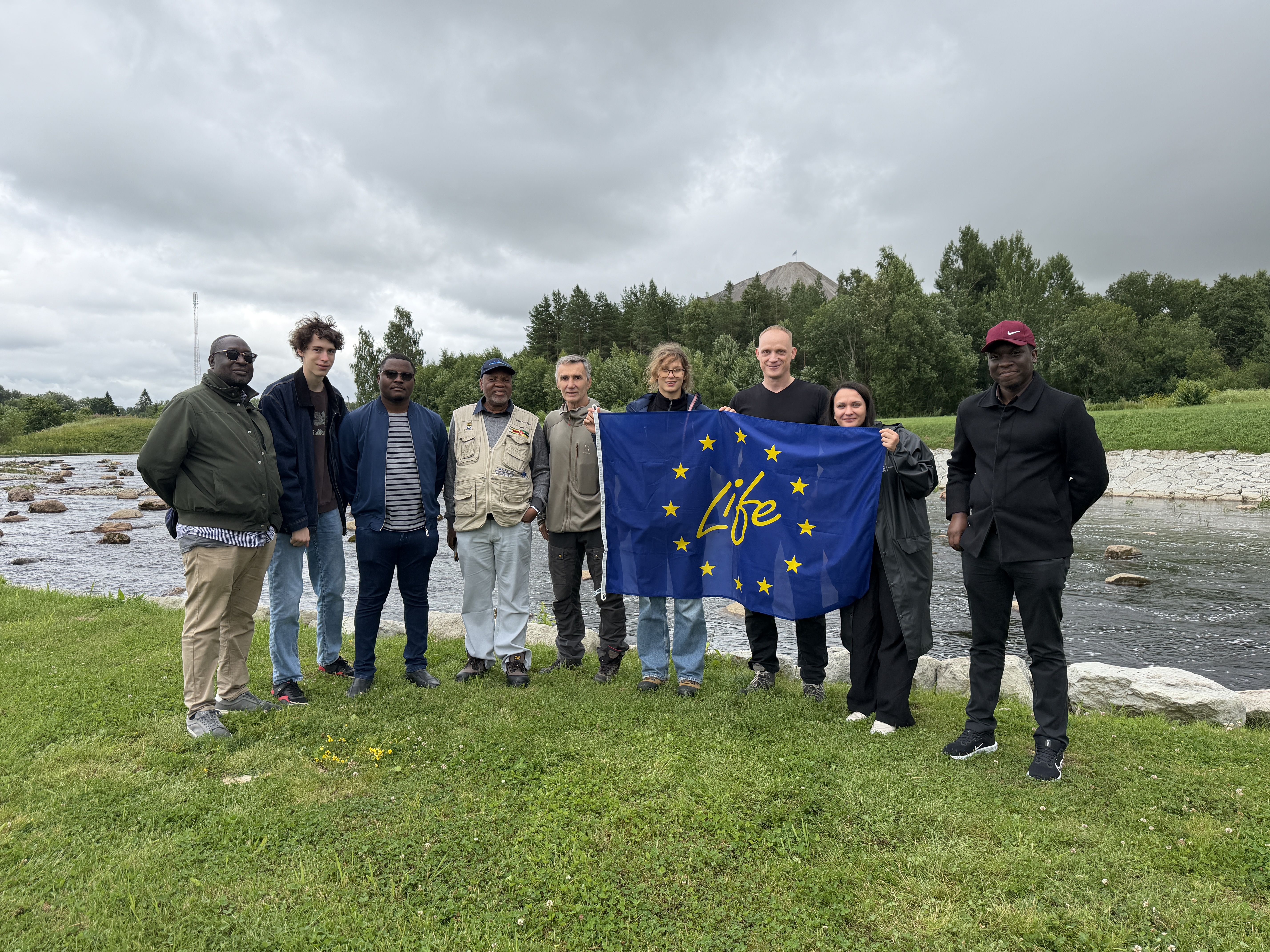
What can African water experts learn from Estonia? As it turns out, quite a lot. Although thousands of kilometres separate us, the biggest challenges in water management are remarkably similar. That is why a joint delegation from Mozambique and Zimbabwe visited Ida-Virumaa and Lääne-Virumaa counties in Estonia to learn about the solutions and results achieved through the LIFE IP CleanEST project.
We hosted the BUPUSACOM delegation – the joint Buzi, Púngoè and Save River Basin Commission of Mozambique and Zimbabwe. The visit took place as part of the Peer-to-Peer programme of the international network of river basin organisations.
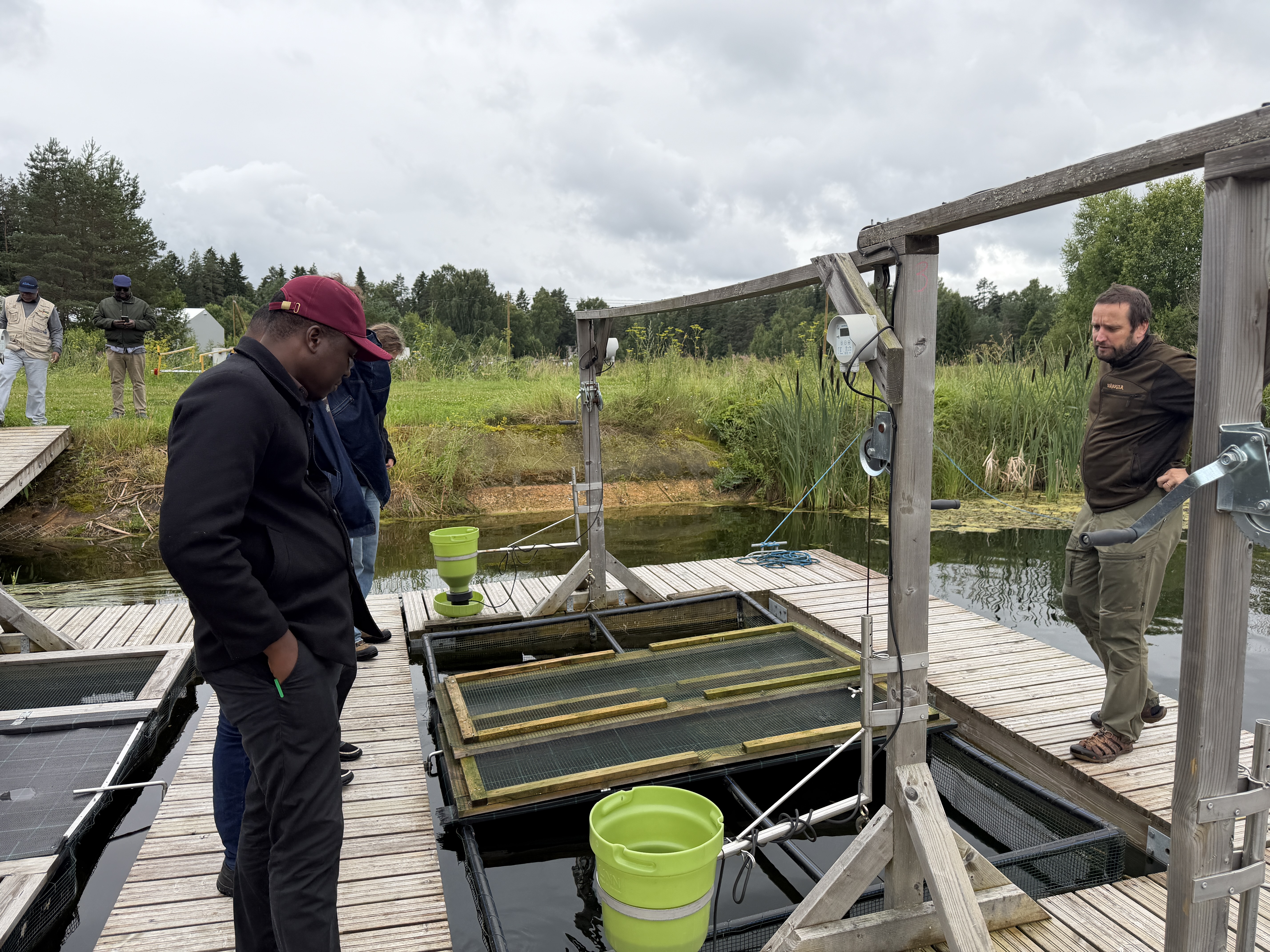
The day began at Soolikaoja in Rakvere, where participants were introduced to nature-based solutions for reducing nutrient pollution. The project is piloting floating treatment wetlands and woodchip bioreactors to reduce nutrient loads. Each year, approximately 332 tonnes of nitrogen and 4.8 tonnes of phosphorus are carried from Soolikaoja into the Selja River. The upper catchment lies within a nitrate vulnerable zone characterised by intensive agriculture, while the stream also flows through the city of Rakvere, collecting water from wastewater treatment plants and stormwater outlets. The floating wetlands remove nutrients through plant uptake, while the woodchip bioreactor functions as a denitrification filter, with the woodchips providing a carbon source for bacteria that convert nitrate into harmless nitrogen gas.
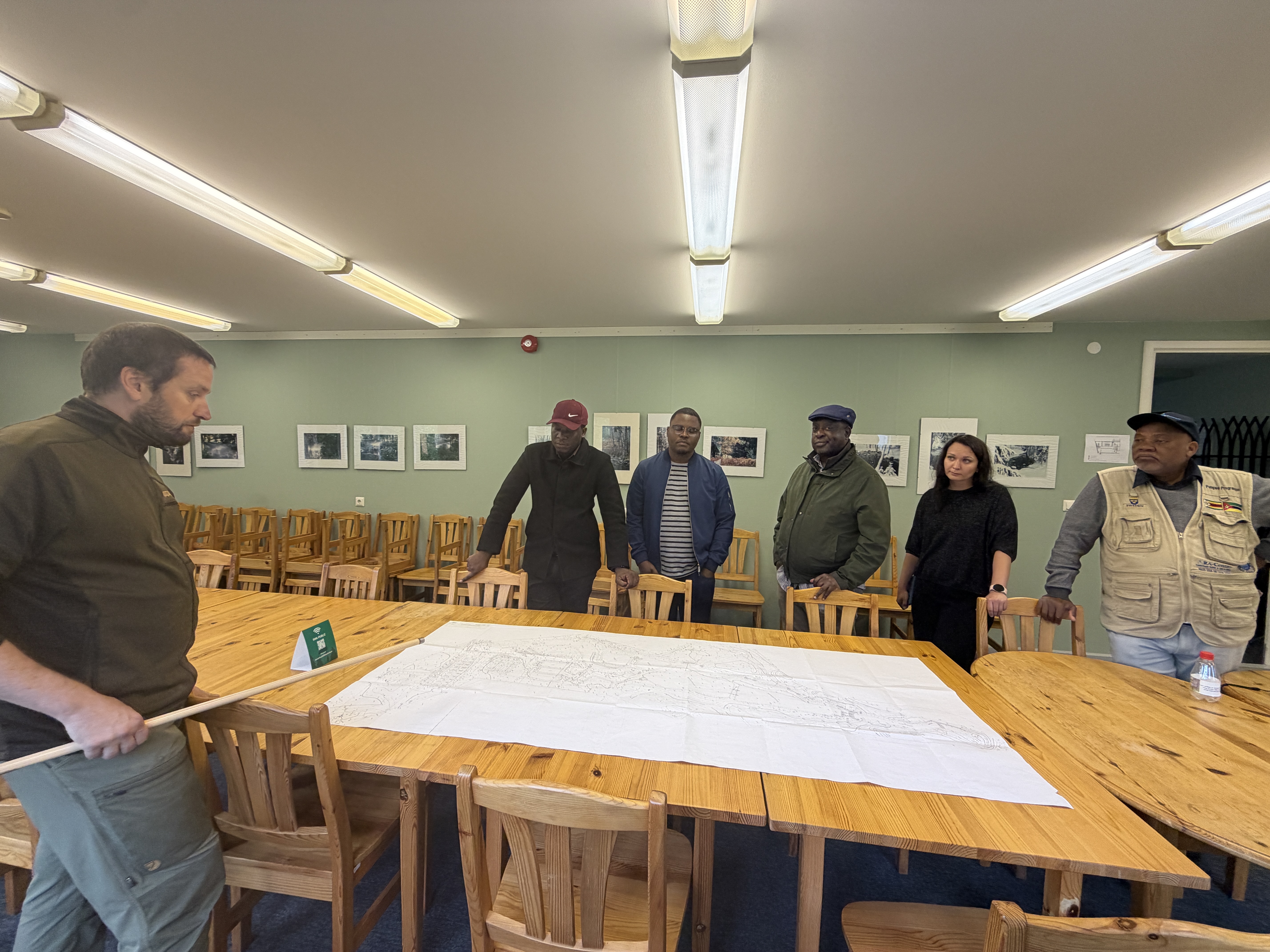
The central theme of the visit was the implementation of the River Basin Management Plan (RBMP). Required under the EU Water Framework Directive, the RBMP sets out concrete measures needed to achieve good ecological status in water bodies, defining what needs to be done, where, and by whom. The River Basin Management Plan for Eastern Estonia includes 632 measures for the Viru sub-basin. The LIFE IP CleanEST project plays a key role in implementing the plan: it directly delivers around one-third of these measures, helps mobilise complementary funding for the remainder, and supports the preparation of the next planning cycle.
For the delegation, the project area itself was particularly relevant. Oil shale mining and processing are among the main pressures affecting water bodies in Ida-Virumaa, while mining is also a major pressure on water resources in their own region. It was therefore a familiar challenge—one for which Estonia has been developing solutions for decades.
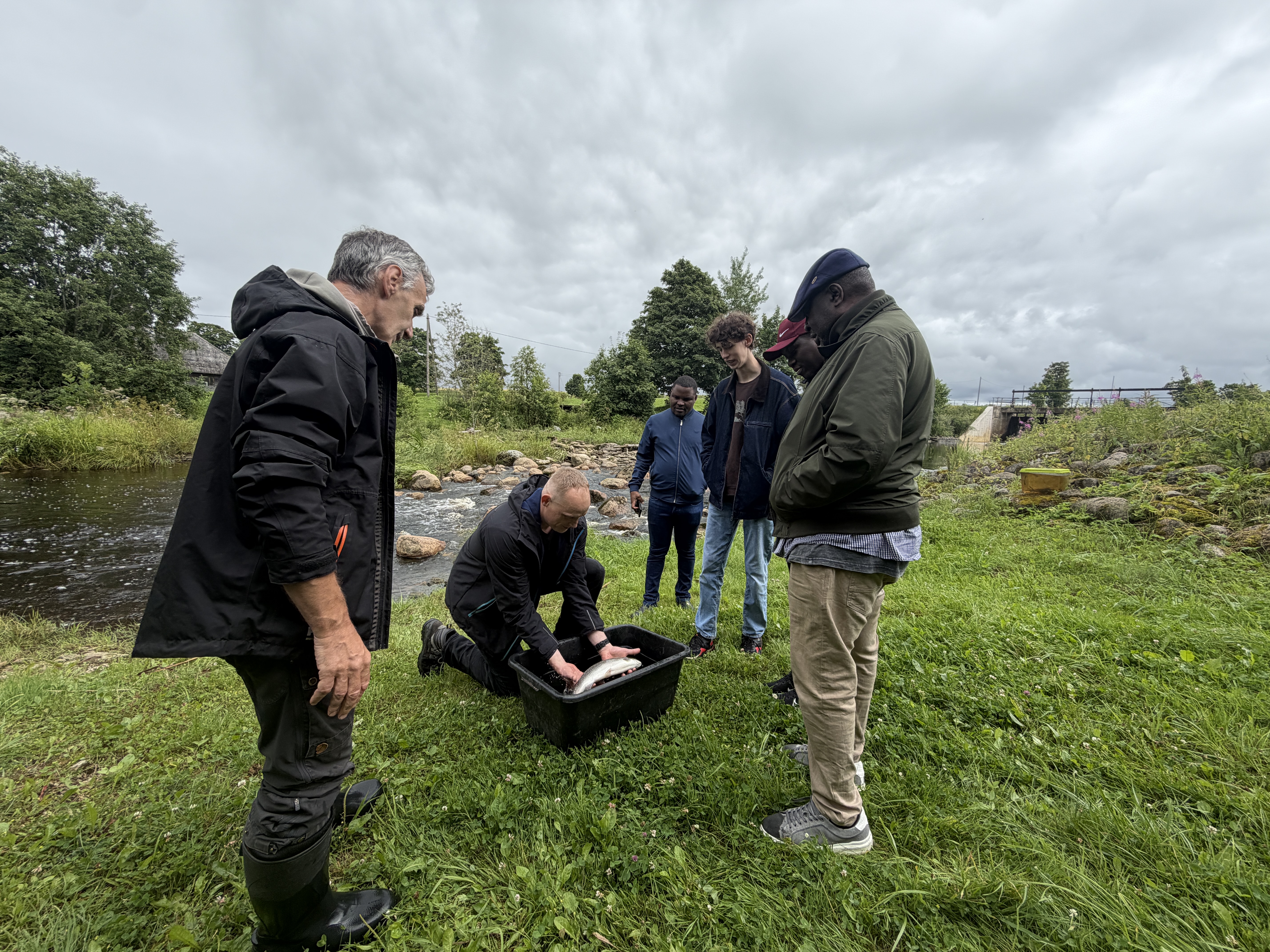
The delegation saw the restoration of the Purtse River as a comprehensive chain of actions: removing historical pollution, restoring fish migration routes, and rebuilding fish populations. A total of 130,000 m³ of contaminated material has been removed, 18 kilometres of river channel have been restored, six migration barriers have been removed, and the 145-metre Püssi nature-like fish pass has opened more than 35 kilometres of river habitat to migratory fish. In addition, 143,662 juvenile Atlantic salmon have been released into the river, and new spawning habitats have been created.
The results are already measurable. The ecosystem services index has improved in all five monitored water bodies, the annual river lamprey population in the lower reaches has increased from zero to approximately 10,000 individuals, and several protected species have returned to the river.
The visitors were interested in the entire process—from the planning framework and financing model to the technical solutions, monitoring methods, and the measurement of environmental outcomes.
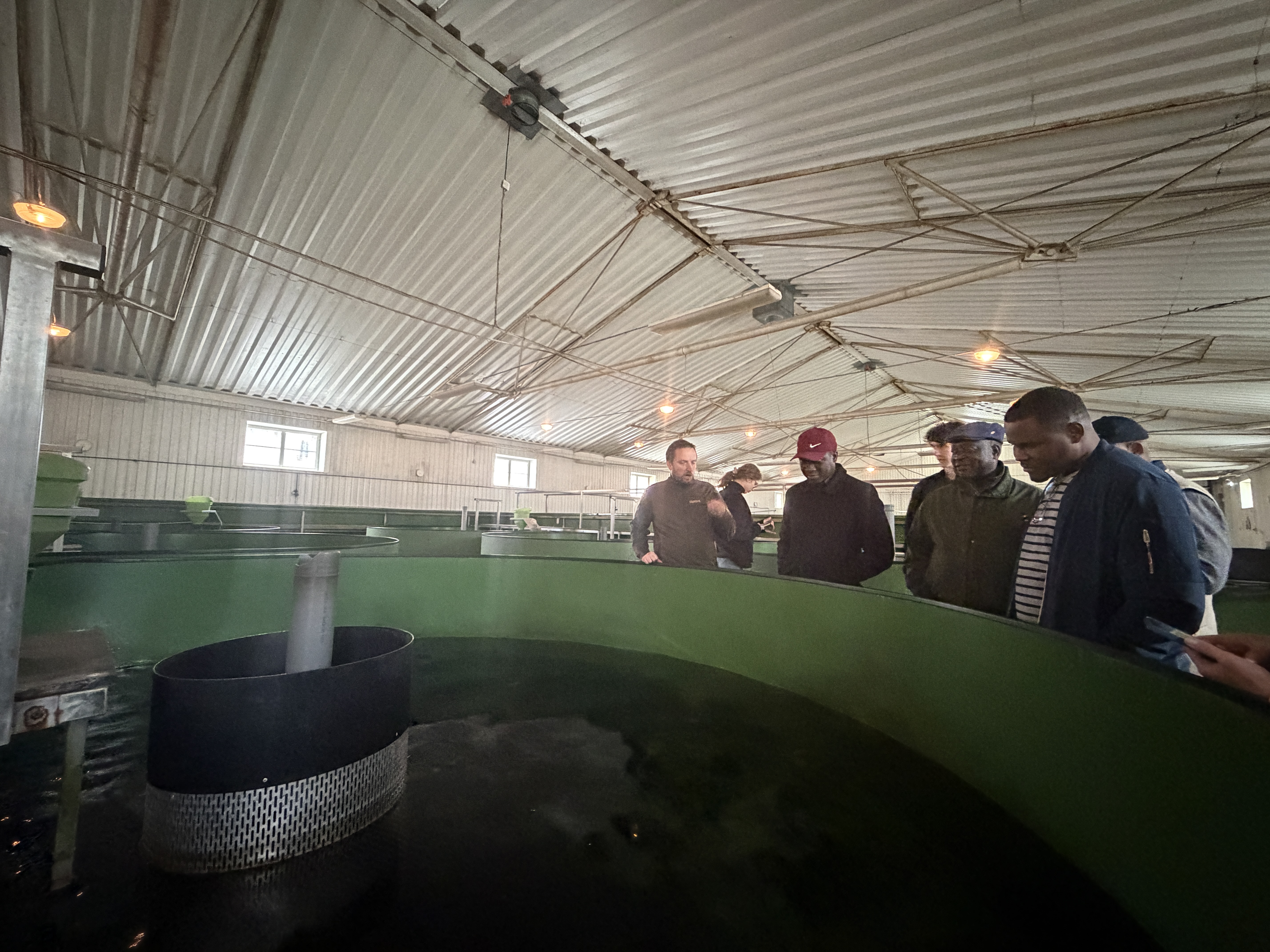
A sincere thank you to everyone who contributed to organising and delivering the visit, especially the Estonian Environment Agency, the Estonian Environmental Research Centre (EKUK), and the Põlula Fish Rearing Centre.