03 July 2026
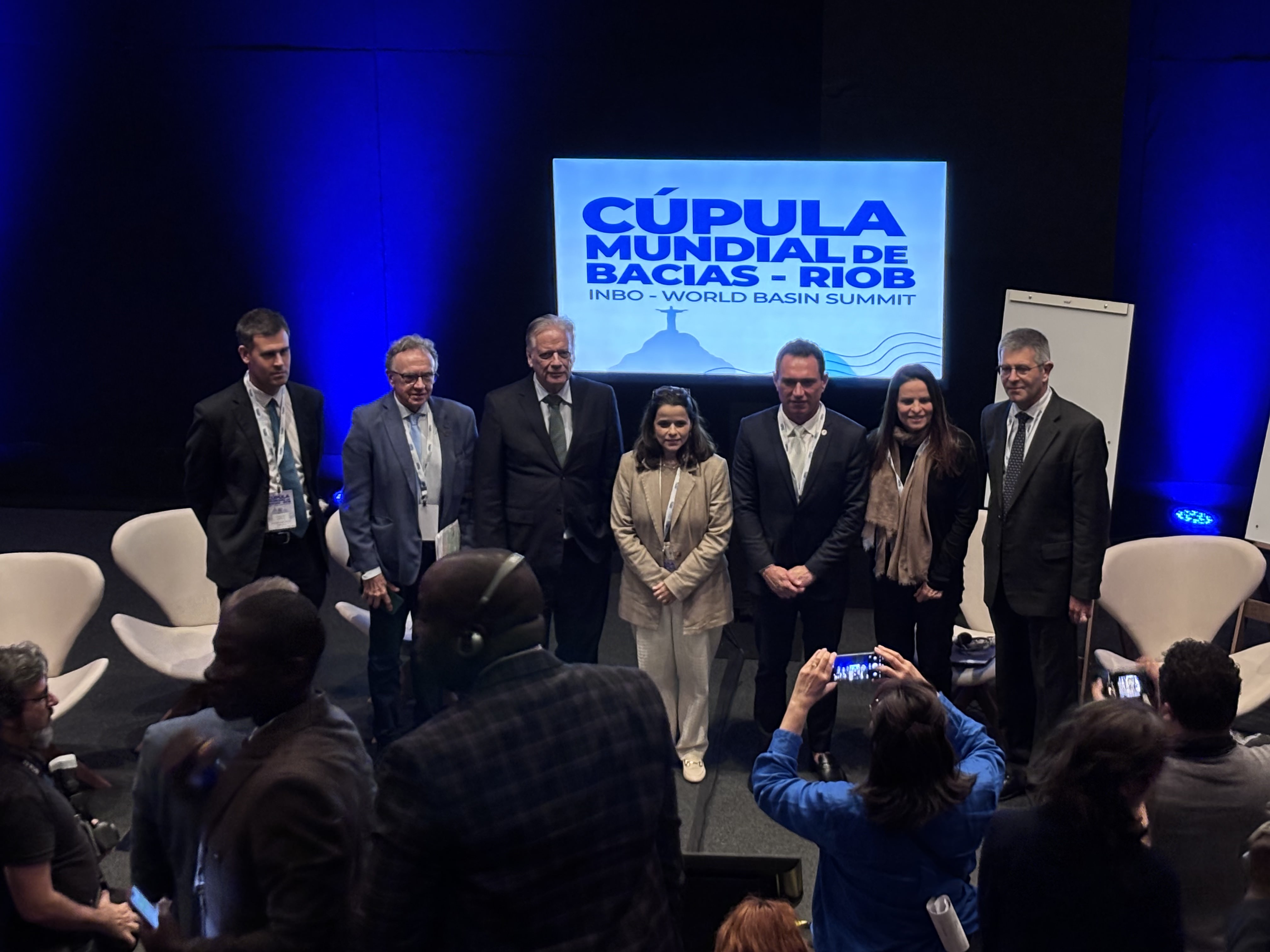
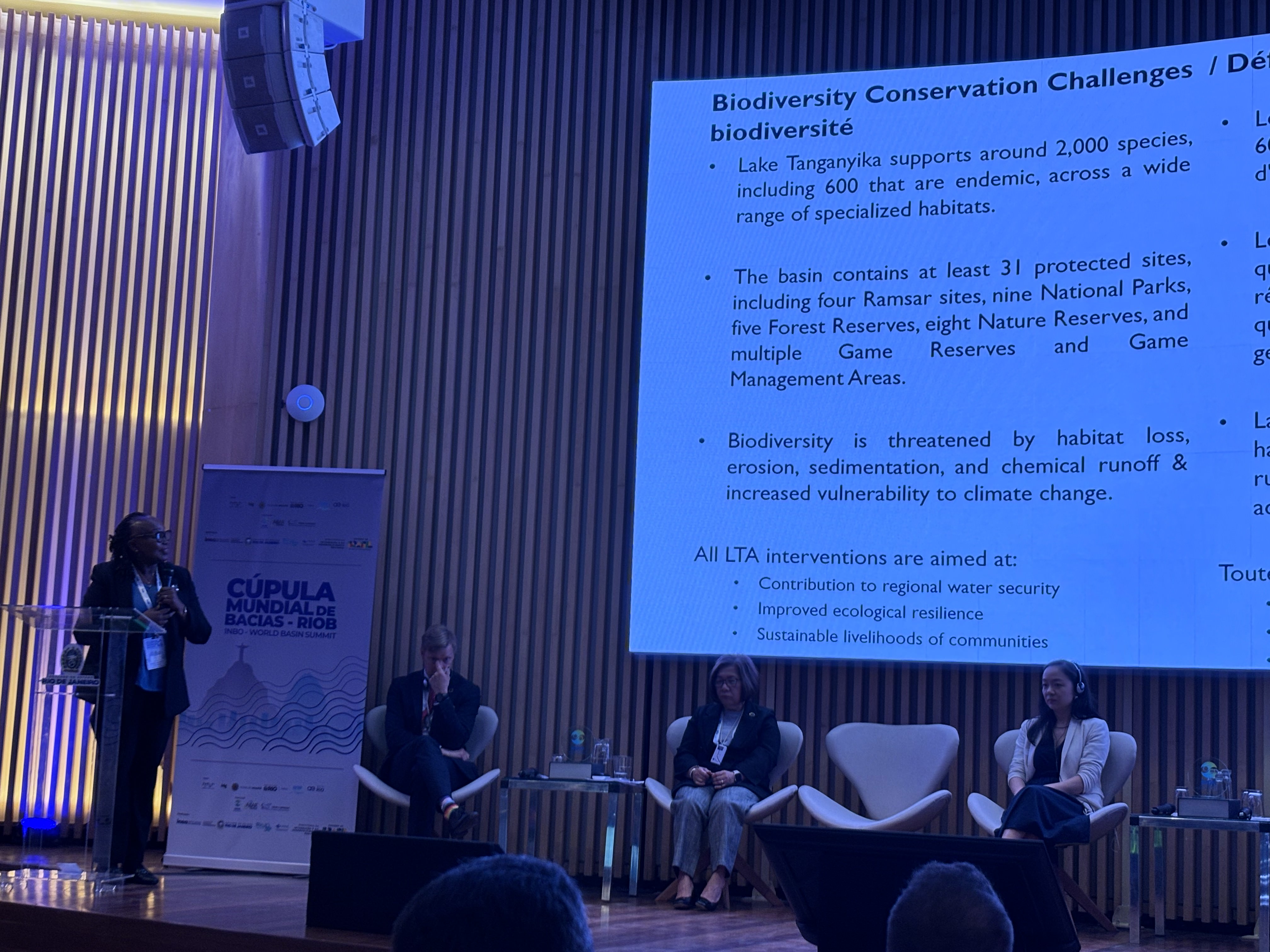
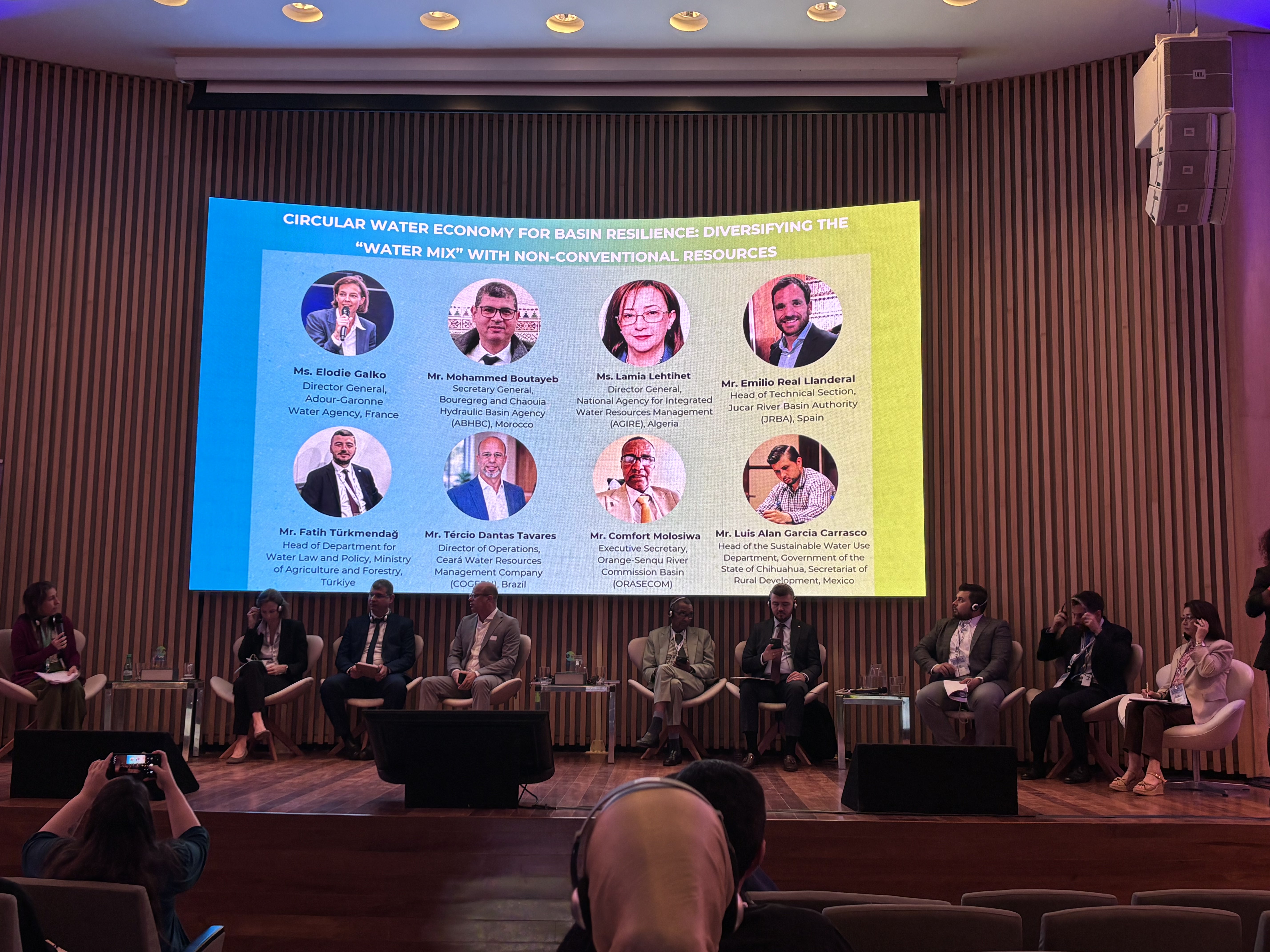
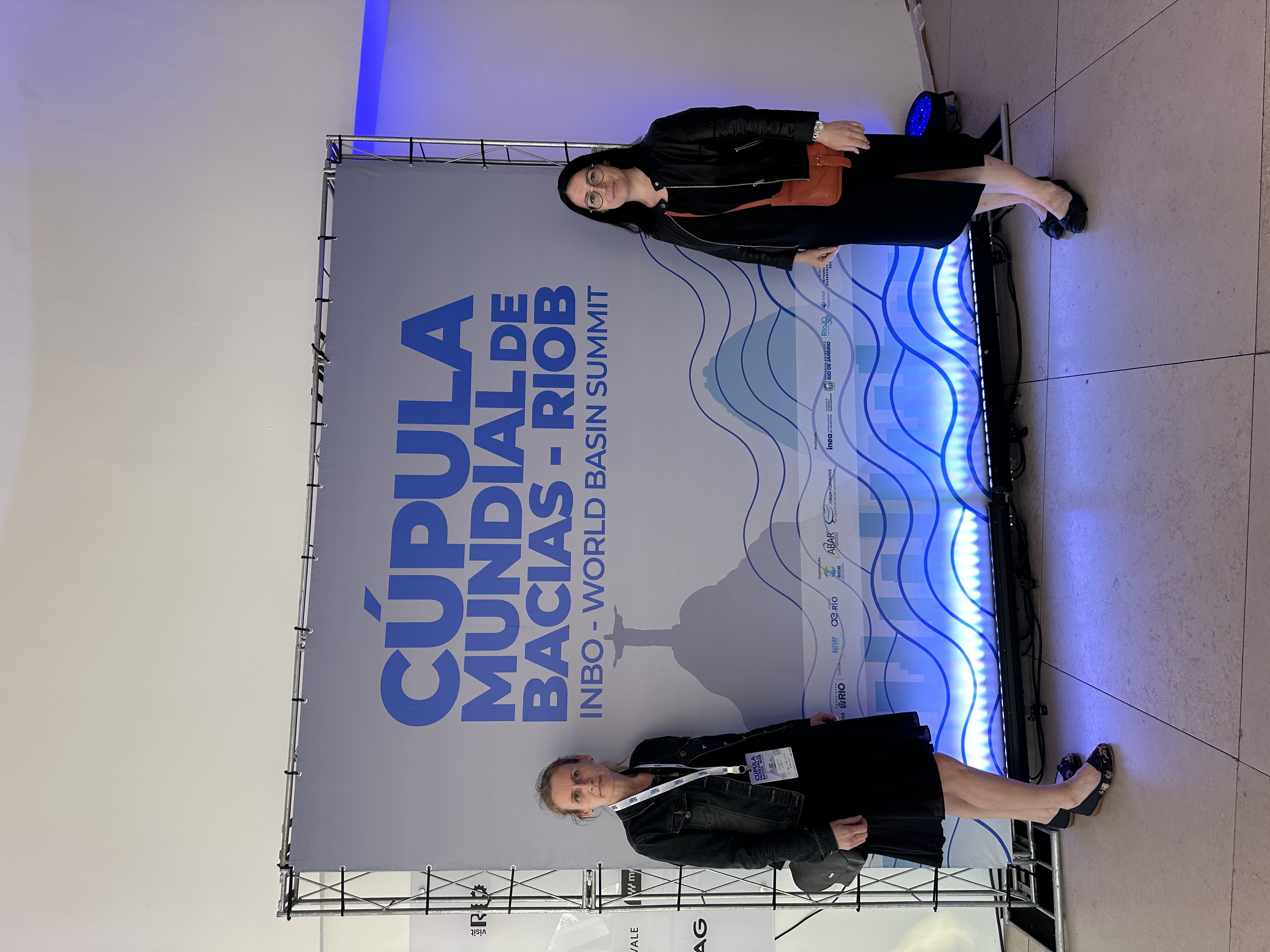
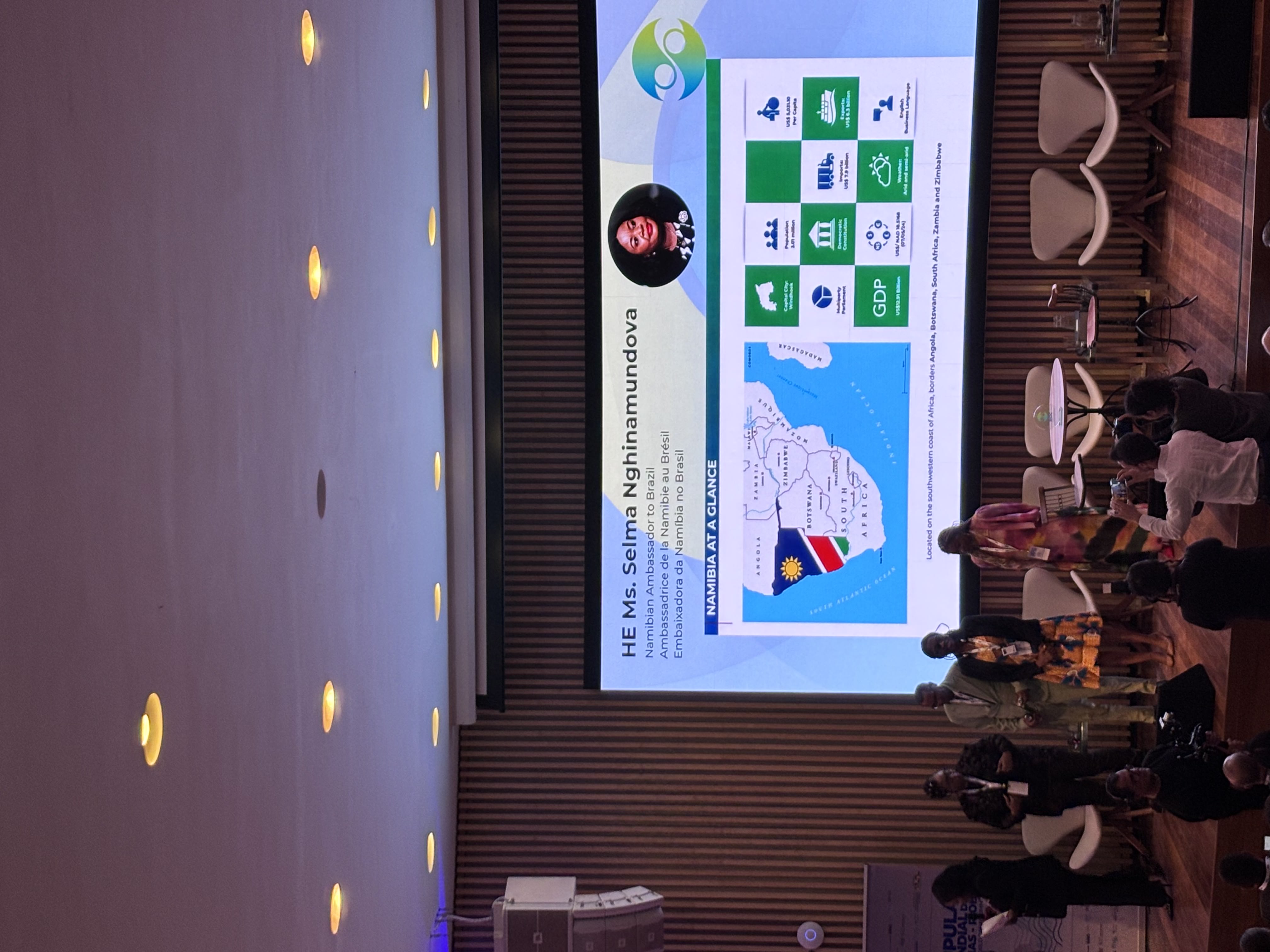
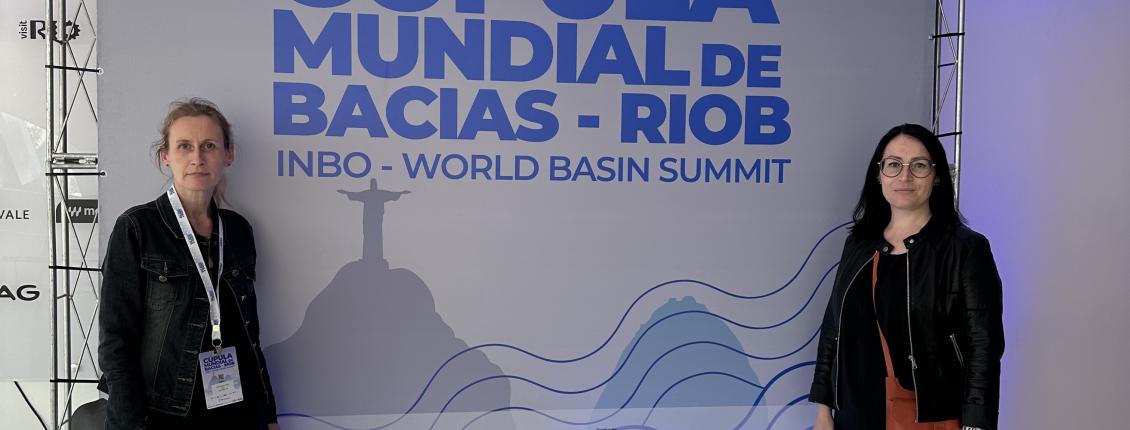
In June, the INBO World Basin Summit took place in Rio de Janeiro, bringing together water management experts from around the world to discuss integrated water resources management in the face of climate change and increasing human pressures. A central theme throughout the conference was the "One Water" approach, which promotes managing water as a single, interconnected resource while strengthening cooperation across different sectors.
The conference placed strong emphasis on climate change adaptation, the conservation and restoration of biodiversity, and effective cooperation at the river basin level, including across national borders. Nature-based Solutions (NbS) received particular attention for their growing role in river restoration and the recovery of floodplain functions, helping to reduce diffuse pollution while improving the ecological status of water bodies.
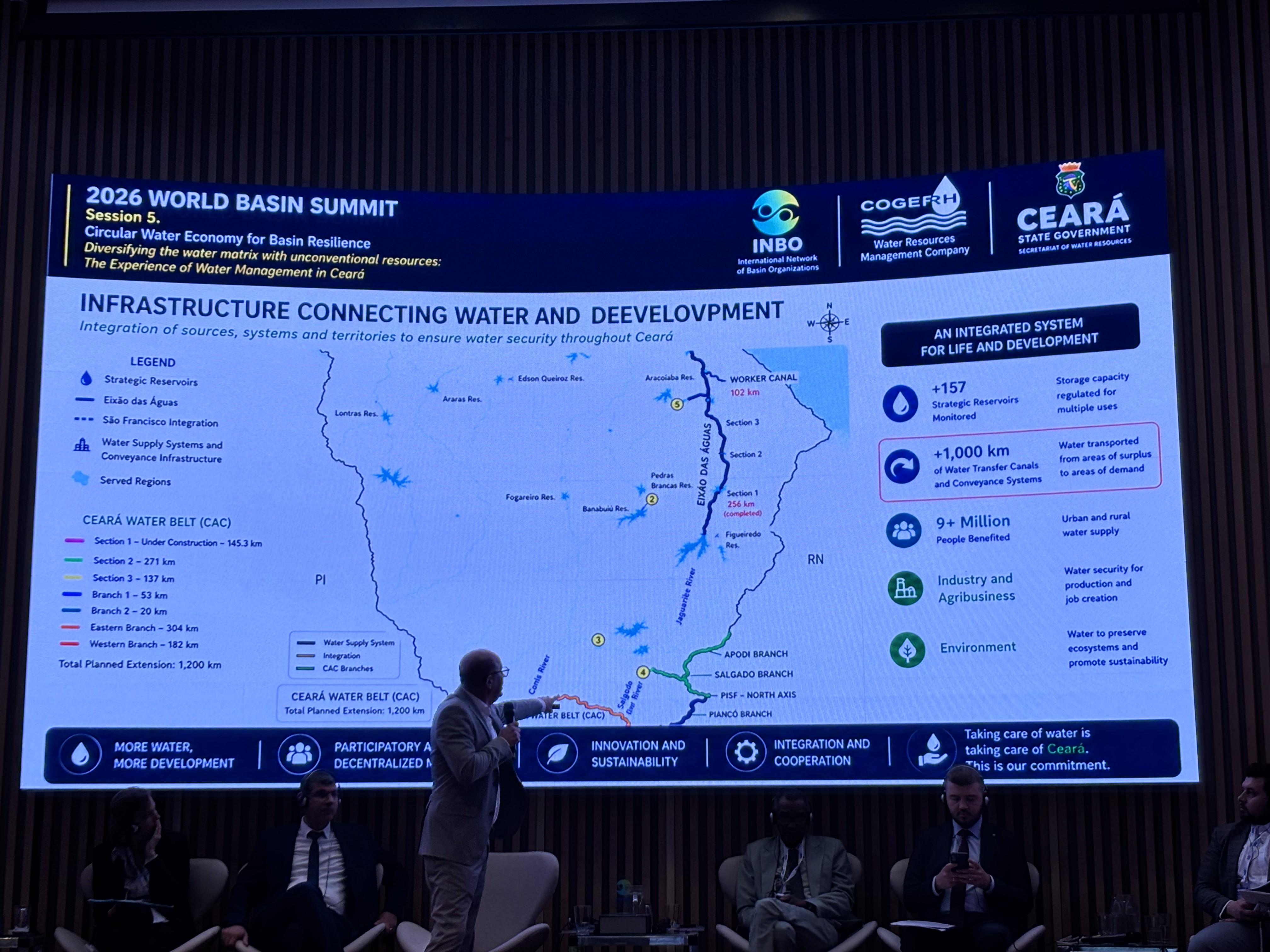
Participants shared numerous practical examples and success stories from across the globe and introduced new guidance, initiatives, and policy approaches. Data-driven water management was another key topic, highlighting the importance of monitoring, modelling, and satellite data in supporting more informed and effective water management decisions.
The conference also addressed the need to strengthen water governance and ensure broad stakeholder engagement, from local communities to the private sector. Innovative financing mechanisms were discussed as essential tools for scaling up the implementation of Nature-based Solutions and other sustainable measures.
The topics covered during the conference provide valuable input for the further development of water management in Estonia and contribute directly to the objectives of the LIFE IP CleanEST project. The knowledge and experience gained will support the wider application of Nature-based Solutions to improve the ecological status of water bodies, the development of data-driven monitoring and management systems, including the use of remote sensing technologies, stronger cooperation and stakeholder engagement both nationally and across borders, and the establishment of more effective and transparent governance models.
The summit also provided an excellent opportunity to exchange knowledge, learn from international best practices, and establish new professional connections that will support future cooperation and knowledge sharing.